What is Osteoporosis?

Osteoporosis is the most common bone disorder. With osteoporosis, the body loses bone mineral density (BMD) and bone strength, increasing the risk of fracture. There are no warning signs at the beginning. In fact, most people don’t even realize they have it.

Bone fracture, pain, deformity, and disability may not appear until osteoporosis becomes more advanced. That’s why osteoporosis is often called the “silent killer.”
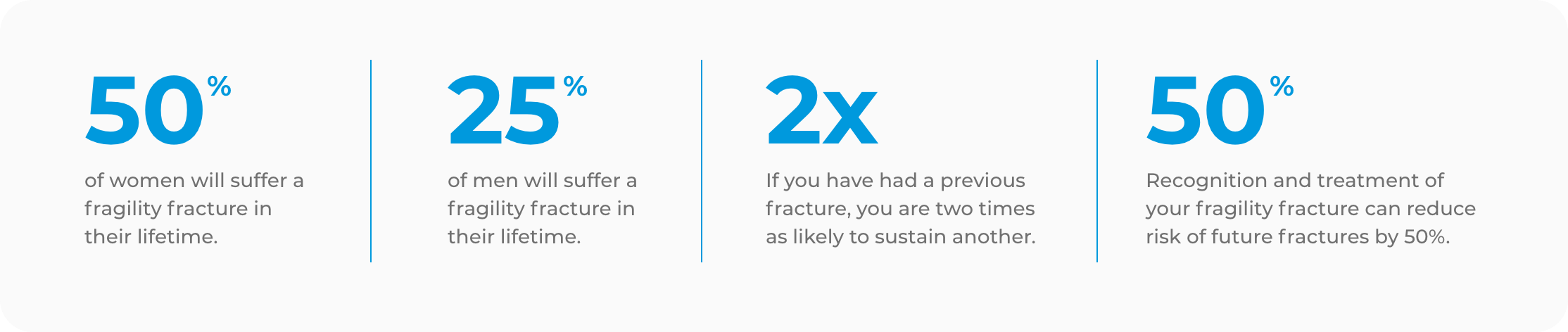
50% of women will suffer a fragility fracture in their lifetime. 25% of men will suffer a fragility fracture in their lifetime. If you have had a previous fracture, you are 2 times as likely to sustain another. Recognition and treatment of your fragility fracture can reduce risk of future fractures by 50%.

Our approach to Bone Health and Osteoporosis Treatment

The good news is that osteoporosis is preventable! The Campbell Clinic Center for Bone Health is here to help. Through bone density testing and other means, we can perform a thorough evaluation of your current bone health. We can also evaluate your risk for future bone fractures.

The Center for Bone Health at Campbell Clinic is ready to help you. We provide all the latest osteoporosis treatments following best practice guidelines endorsed by leading medical societies and associations. Our team gives you personalized care that’s right for you based on your unique risk profile, health, family history and test results.


What Are Common Risk Factors for Osteoporosis?

  • Have a history of a bone fracture.
  • Have a history of certain medical conditions, such as rheumatoid arthritis.
  • Use certain prescribed medicines, for example, extended use of steroids such as prednisone.
  • Use tobacco products.
  • Drink alcohol.
  • Have a family history of osteoporosis.
  • Do not exercise.

What Is A Fragility Fracture?

Fragility fractures are broken bones from minor fall or other injury that you wouldn’t expect to cause a fracture. For example, slipping while walking and breaking your arm. This type of injury may be a sign of osteoporosis or weakened bones.

If you experience a fragility fracture, you need to consider your overall bone health. Because once you have one fracture, you are twice as likely to have another. At Campbell Clinic, we can perform a bone density evaluation to assess your risk for future fractures.

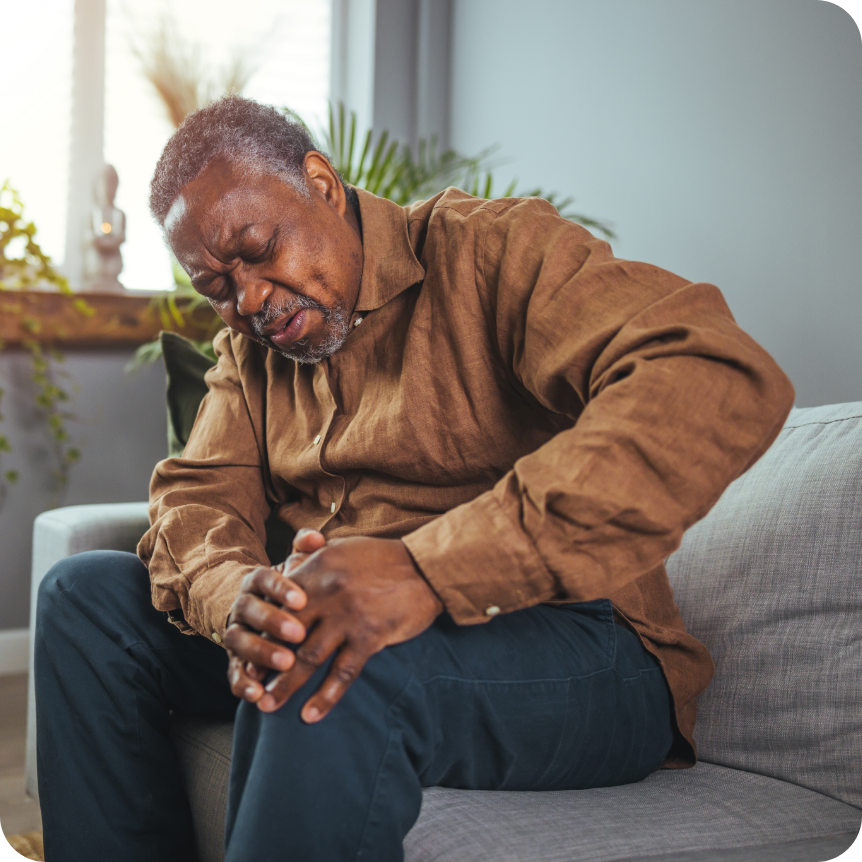
Man holding his knee

What Does Fragility Fracture Treatment Include?

Fragility fracture treatment is twofold. It should treat both the broken bone and your risk for future fractures. First, you will need to walk-in or make an appointment with an orthopedic specialist to treat your fracture.

After treating the fracture, your provider may evaluate your bone health using a DEXA Scan. This will help them determine whether osteoporosis or low bone density contributed to your injury. Depending on your risk factors, your fragility fracture treatment plan may include:

  • Discussing osteoporosis treatment options
  • Changing your diet to ensure you get adequate calcium and vitamin D
  • Introducing regular weight-bearing exercise to your routine
  • Avoiding smoking and limiting excessive alcohol intake
  • Taking steps to reduce your risk of falls, such as balance training

Who Should Visit the Bone Health Clinic?

  • Over the age of 50 and have fractured a bone.
  • A woman who is 65 years old or older and who has never fractured a bone.
  • A man who is 70 years old or older and who has never fractured a bone.

What is a DEXA Bone Density Scan?

The DEXA Bone Density Scan is a  medical imaging test. It uses X-rays to measure bone mineral density and evaluate bone strength. Providers use a DEXA Scan to screen for osteoporosis. These scans can also identify other conditions that weaken bones or increase the risk of fractures.

How much does a DEXA Scan cost?

We will file your DEXA Bone Density Scans with your insurance carrier. Coverage may vary depending on your individual plan.

How do I schedule a DEXA Bone Density Scan?

Ask your Campbell Clinic provider whether they recommend a DEXA Bone Density Scan test for your bone health. You will need a referral to schedule your test.

Why would I need a DEXA Scan?

Your provider may recommend a DEXA Scan to:

  • Assess bone strength and identify low bone density
  • Diagnose osteoporosis or determine your risk for fractures
  • Monitor changes in bone density over time (e.g., during treatment for osteoporosis)
  • Measure body composition (bone, fat, and muscle mass)

What happens during a DEXA Bone Density Scan?

  • During a DEXA Scan, you will lie on a table while a scanner passes over your body, emitting low-dose X-rays.
  • The scan measures how much radiation your bones absorb, which helps determine your bone density.
  • The test is non-invasive and typically requires no downtime.

Who should get a DEXA Bone Density Scan?

DEXA Scans are often recommended for:

  • Older women who are postmenopausal
  • Men over the age of 70
  • Individuals with osteoporosis risk factors, including as family history, low body weight, previous fractures, or certain medical conditions

Your provider can help determine if a bone density test is right for you based on your age, health history, and risk factors.

Your Campbell Clinic Bone Health Specialists in Memphis

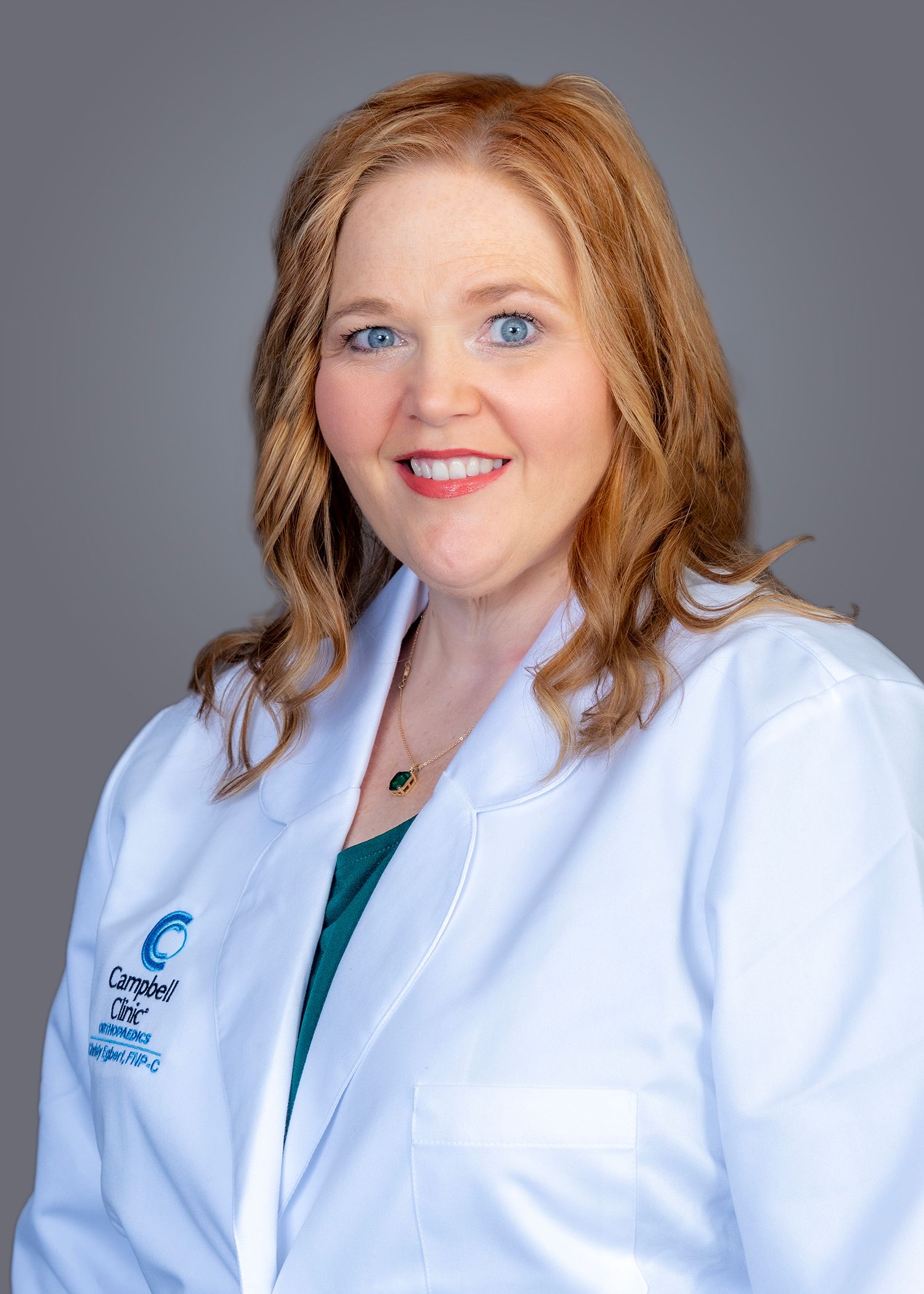
Christy Egbert, FNP-C

Christy Egbert, FNP-C

Specialties: Bone Health, Spine
Locations: Germantown, Southaven

Book Online   View More

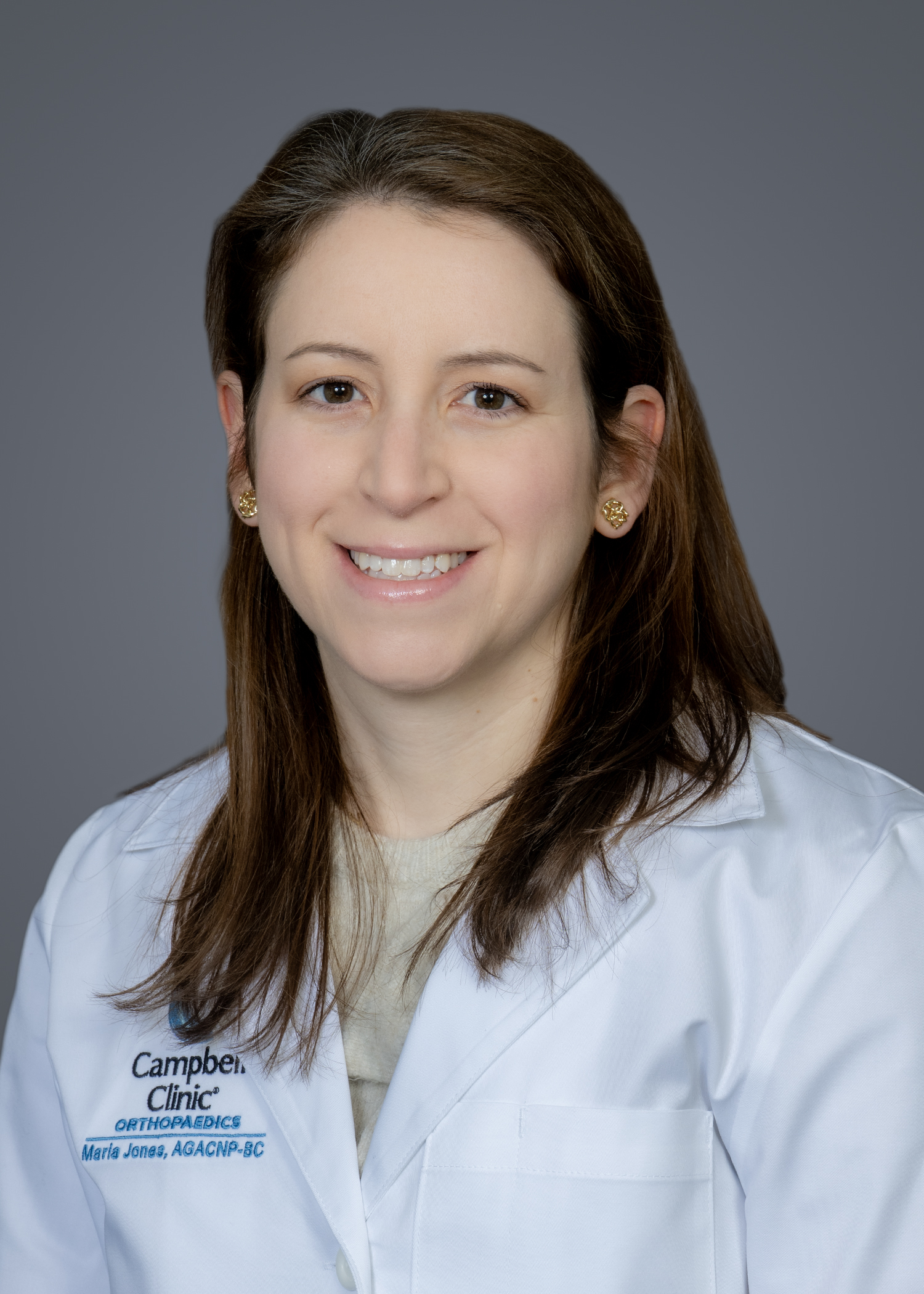
Maria Tucci Jones, MSN/CNL, FNP/AG-ACNP

Specialties: Trauma, Bone Health
Locations: Medical Center

Call for Appointment   View More

Charlie B. Hutson, PA-C

Charlie B Hutson, PA-C

Specialties: Trauma, Bone Health
Locations: Medical Center

Call For Appointment   View More

For appointments call
901-759-3111